


How to Choose the Right RV Water Tank for Your Food Truck
Stop me if this sounds familiar…
You’re finally getting your food truck ready. You’ve picked your menu, ordered your equipment, maybe even wrapped your truck. Then someone asks, “What kind of water system are you using?” And just like that — your stomach drops. You thought a water tank was just... a water tank. Turns out there are rules. Sizes. Materials. Plumbing. Health codes. Grey water vs black water. Suddenly, something that felt simple becomes a full-blown stress headache.
We get it — this part can feel confusing. But it doesn’t have to be.
At Tank Depot, we don’t build trucks. We don’t sell fryers. We specialise in tanks — especially NSF-certified RV water tanks that food truck owners across the country trust to keep their business legal, clean, and running smoothly. Whether you're starting from scratch or replacing a tank that failed inspection, this guide will help you figure out exactly what you need.
By the end of this article, you’ll know:
- Which type of water tank system your truck needs
- What food truck tank size works best based on what you serve
- How to stay compliant and avoid costly mistakes
This isn’t guesswork. It’s the same practical advice we give food truck owners every day — simple, clear, and built from experience. Let’s take the pressure off. You’ve got the food part covered. We’ll help with the tanks.
Why Water Tanks Are Make-or-Break for Your Food Truck
It’s easy to obsess over your menu and totally forget about your food truck water system — until inspection day. The truth is, your water tank setup is one of the first things inspectors check, and it’s the last thing you want holding you back from opening your window and serving your first customer.
Here’s why:
- Hygiene starts here. No matter how clean your grill is or how fresh your tacos are, if your potable water tank for food truck use isn’t up to code, your operation won’t pass.
- Your hand wash station tank and mobile sink setup must be accessible, filled, and working — always. Health departments see this as the backbone of a safe mobile kitchen.
- Customers notice, too. Cleanliness builds trust. Nobody wants to eat from a truck that’s short on water — or worse, using a system that looks like it came out of an RV from 1993.
Top 3 Problems Owners Face with the Wrong Tank Setup:
- Wrong size = constant refills. Undersized truck tanks (especially for grey water) fill up fast and shut your truck down midday.
- Not certified? Contend with failed inspections. Using non-NSF water tanks for trucks or makeshift setups can lead to rejections and delays.
- Poor drainage yields foul smells. Improper wastewater plumbing can create odors that drive away customers and attract inspectors.
We’ve seen it all — trucks using backyard barrels, leftover agriculture tanks, or makeshift plumbing systems. Don’t go there. A little planning now saves you a world of stress later.
NB: Health code water tank regulations vary by city, but one thing’s universal: your food truck water system has to be clean, safe, and separate from your waste. Our NSF-certified RV water and waste tanks for mobile food vendors are purpose-built to make that simple.

RV Water Tanks vs Custom Truck Tanks: What’s Best?
So, let’s dig deeper: is an RV water tank for food truck use a smart move? Yes — 100%. And here's why so many food truck owners prefer these to custom tanks:
Why RV Tanks Work So Well for Mobile Kitchens:
- Built to move. These tanks are made for motion. Whether you're bumping down city streets or parked at a festival, RV fresh water tanks handle vibration without cracking or leaking.
- Lower cost, no sacrifice. Compared to custom truck tanks, NSF-certified RV tanks offer more value — often at a lower price point — and still meet health code standards.
- Flexible sizing. From compact 10-gallon units to large fresh or grey water holding tanks, there’s a fit for nearly every food truck setup.
- Legal (when installed correctly). Yes, RV tanks are legal for food trucks — as long as they’re NSF-certified and set up with proper venting, drainage, and separation between fresh and waste.
Don’t be fooled by the name. “RV” doesn’t mean “unprofessional.” It just means tested, durable, and already approved for mobile use.
Other Tank Options for Food Trucks (Beyond RV Tanks)
While NSF-certified RV tanks are the go-to for most food trucks, they’re not your only option — especially if your setup is unique or you're looking for added capacity, specialised functionality, or future-proofing for long stays.
Here’s how to pick the right upgrade:
Need a Tall, Compact Option?
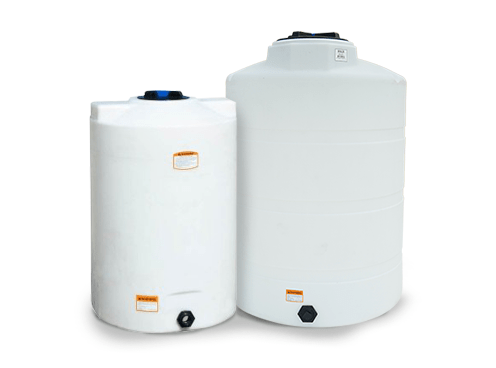
Vertical Storage Tanks
Perfect if you’re limited on floor space but can build upward. These tanks are rated for higher specific gravity (SG), meaning they can safely handle more pressure — ideal for food trucks using pumps or equipment that discharge quickly.
Great for:
- Static food truck setups with minimal space
- Gravity-fed water systems
- Operators needing more gallons in less square footage
For a more affordable option for water storage only, check out our vertical plastic water tanks.
Want a Slim, Portable Tank?
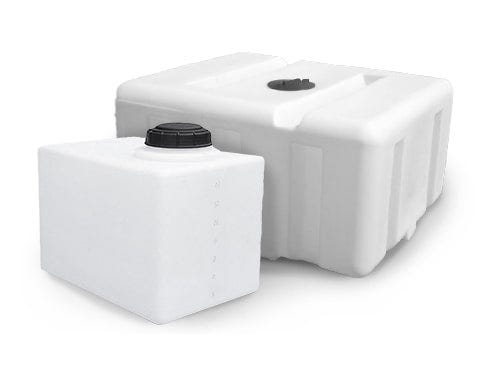
55-Gallon Stand-Up Portable Water Tanks
(like model DC-900056-1.5-NAT or N-44855)
These are a fan-favorite among mobile vendors who need food truck tanks that are easy to haul, fill, and empty — without requiring a full custom install.
Perfect for:
- Daily water hauling and refilling
- Temporary service locations or farmers markets
- Swap-out backups for fresh or grey water
Do you need to haul both fresh and black water? Our double-compartment storage tanks may be the most ideal here.
Need a Waste Tank Solution?
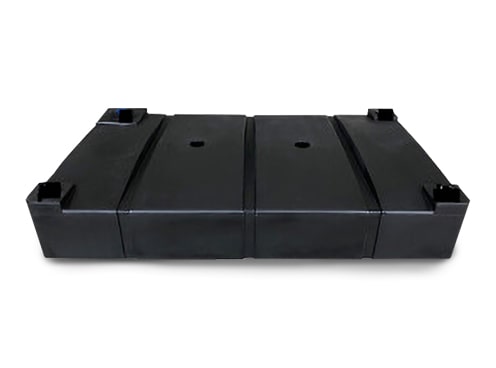
Above-Ground Septic Tanks
Got a black water setup (toilet, mop sink, or full bathroom)? These above-ground tanks are ready to handle waste holding duties — no permits required. Built for sanitation and odor control, they’re a smart upgrade if your mobile unit operates in fixed spots.
Perfect for:
- Food trucks with restrooms
- Long-term event setups
- Black water storage without underground work
Want something more permanent? Check out our underground septic tanks — available in state-certified options for year-round food truck spots or permanent mobile kitchens. Many operators choose to pair both above and underground setups for maximum flexibility and compliance.
How to Choose the Right Fresh Water Truck Tank Size Guide
|
Operation Type |
Daily Water Demand |
Common Menu Items |
Team Size |
Recommended Tank Size |
Best Tank Option |
Pro Tip |
|
Drinks & snacks only |
Low |
Bottled drinks, packaged snacks, shaved ice |
1–2 people |
10–25 gallons |
Great for limited menus and starter trucks |
|
|
Light food prep |
Medium |
Fries, grilled cheese, wraps |
2–3 people |
26–50 gallons |
Watch your local health codes — some require 25+ gal minimum |
|
|
Full-service meals |
High |
Burgers, tacos, pasta, sautéed dishes |
3–4 people |
30–50 gallons |
Add a separate hand wash station tank for inspection compliance |
Note:
- Always choose NSF-certified potable tanks for your food truck.
- Oversized tanks mean more weight resulting in more gas and potential wear.
- Local code matters — some states require minimum gallons per sink or staff member.
- Don’t forget your grey water tank must be bigger than your fresh tank — we'll cover that next.
Our team helps you figure out exactly what works for your layout — no guesswork, no YouTube rabbit holes.
Grey Water Tanks for Trucks Requirements (And Common Mistakes)
One of the most common food truck mistakes? Undersizing the grey water tank.
By health code, your food truck grey water tank must be at least 15% larger than your fresh tank. This is non-negotiable. All used water from handwashing and dishwashing flows here — and there’s no room for overflow.
What Happens If Your Grey Water Truck Tank is Too Small?
- It backs up into your sinks.
- It leaks (bad smells, failed inspections).
- You’re forced to shut down mid-service.
If you’re running a 30 gallon RV fresh water tank, your RV waste water tank should be 35–50 gallons minimum to stay compliant.
Grey Water Tank Placement & Setup
- Install your tank below sink level with proper slope for drainage
- Secure it firmly — grey water is heavy and sloshes during transit
- Add a vent line to prevent pressure issues
We recommend RV grey water tanks — they’re compact, made for mobile use, and available in dozens of shapes to fit tight builds.
For busy days or long events, consider adding a secondary used water tank as a backup.
What About Black Water Tanks?
Not every food truck needs one — but if your setup includes a toilet, mop sink, or anything that deals with solid waste, you’ll need a RV black water tank.
This is sewage. It needs to be safely contained, vented, and kept far from food prep zones.
When a Black Water Tank is Required:
- You’ve installed a toilet (for remote gigs or full-day routes)
- Your local code requires waste separation from restrooms
- You’re using a combo tank where one side handles toilet waste
Proper black water tank installation matters. Tanks must be:
- Vented correctly
- Securely mounted
- Isolated from food zones
Just like your fresh water system, your black water setup will be inspected — and if it’s not right, you won’t be cleared to operate.
Are RV Tanks Legal for Food Trucks? Let’s Clear That Up
You’ve probably seen RV tanks listed for food trucks and wondered:
“Are these even legal for commercial food use?”
Short answer: Yes — as long as they’re NSF-certified, properly installed, and meet local health codes. RV tanks are a smart option for food trucks because they’re:
- Lightweight and mobile-ready
- Made from food-grade plastic
- Easy to clean, replace, and configure
But legal doesn’t mean automatic approval. That’s where compliance comes in.
What You Need to Know About Compliance for Food Truck Tanks
Across the U.S., local health departments decide what’s legal — and requirements vary by city and state.
Here’s a quick snapshot for 3 different states:
| State | Fresh Water Requirements | Grey Water Requirement | Tank Material Restrictions |
| California | 25–30 gallons minimum for full-service trucks. | Grey tank must be 50% larger than fresh. | No stainless steel or aluminium inside truck body. |
| Texas | Varies by county (often 20–40 gallons). | 15–30% larger grey tank required. | Tanks must be clearly labeled & NSF-compliant. |
| Florida | 15 gallons minimum for handwashing & washing. | Grey tank must be at least 15% larger than fresh. | RV-style tanks allowed if certified. |
Questions to Ask Your Local Inspector Before Buying a Food Truck Tank:
- What's the minimum required food truck tank capacity for my operation type?
- Do you accept NSF-certified RV tanks?
- Is there a required fresh-to-grey water tank ratio?
- What documentation do I need to pass inspection?
Every city wants the same thing: safe food handling, clean water, and leak-free waste disposal. You can achieve all of that with the right RV tanks for mobile food vendors, no custom welding required.
Pro tip: Bring your tank spec sheets and certification documents to your plan check. It shows inspectors you’ve done your homework.
How to Install & Maintain Your Water Tanks
Installing your food truck water system the right way isn’t just about plumbing — it’s about passing inspection, staying operational, and avoiding health risks.
Whether you’re setting up a fresh water tank, RV waste water tank, or both, here’s how to do it right.
Water Tank Installation Tips
- Mount securely Your food truck tank will shift while driving if it’s not strapped or braced down. That movement leads to leaks and stress cracks over time.
- Add proper venting Your water and waste truck tanks need an air vent. It keeps pressure balanced so you don’t get backflow, airlocks, or worse — burst fittings.
- Slope your drainage Install your grey water tank below sink level, and slope the lines toward the outlet. This makes sure water drains fully and doesn’t sit stagnant in your lines.
- Use NSF-approved plumbing From hoses to clamps, everything touching potable water must be rated food-safe. No shortcuts here.
Maintenance: Keep It Clean, Stay in Business
Neglecting your tanks for your food truck can lead to bacteria buildup, bad smells, and failed health inspections — even if your food is on point.
- Sanitise every 1–2 weeks using a diluted bleach or tank-safe solution
- Flush the lines monthly, especially if the truck’s been idle
- Inspect for leaks or cracks before every big event
- Label truck tanks clearly — “Fresh” and “Grey” — so there’s no mix-up
NB: Cleaning and inspection logs show inspectors you take sanitation seriously. Plus, regular maintenance keeps your system running longer and avoids costly replacements.
The Right Tank Setup Can Make or Break Your Food Truck
Water tanks aren’t just a box you check to pass inspection — they’re the heart of your food truck’s daily operation. From handwashing and food prep to waste water storage, your tanks keep your business clean, compliant, and running smoothly.
If you’ve been stressing about which food truck tanks to buy, how to size them, or whether RV tanks are even legal, now you’ve got a clear answer.
We make your journey real simple at Tank Depot. Whether you’re building your first truck or upgrading a system that’s giving you trouble, we’re here to help you choose the right setup — and avoid the common drama.
Need to speak with an expert?
FAQ: RV Water Tanks
Bottom line: If you’re running a non-standard food truck setup, there’s a tank for that. Contact us for guidance on selecting the best water tank for your food truck.


