


Material-Specific Maintenance and Repair Protocols for Storage Tanks
In Part I of this series, we explored the foundational principles of storage tank management: how proper installation, disciplined inspection protocols, and a strong documentation culture create a proactive maintenance ecosystem. These core practices, while universal, are only part of the equation.
Part II shifts focus to the material science behind storage tank maintenance. Whether constructed of polyethylene, fiberglass, steel, or aluminum, every tank material has unique properties that dictate how it should be maintained, inspected, repaired—or ultimately, replaced. Understanding these material-specific nuances is essential for preventing failure, minimizing downtime, and safeguarding the integrity of stored contents.
This section provides a detailed, hands-on guide to tailored maintenance practices, including early warning signs of degradation, safe cleaning and repair methods, and realistic expectations for asset lifespan. Whether you're a facility manager, environmental compliance officer, or service contractor, these insights can help you build a maintenance program that aligns with the true nature of your liquid storage tank fleet.
Polyethylene (HDPE/XLPE) and Polypropylene Tanks Maintenance
Polyethylene (PE) and polypropylene (PP) tanks—especially those made from high-density (HDPE) or cross-linked polyethylene (XLPE)—are valued for their corrosion resistance, low cost, and chemical compatibility.
As such, the maintenance of polyethylene and polypropylene tanks is fundamentally a process of managing the irreversible degradation of the polymer. Unlike metals, which can often be repaired repeatedly, polymers are susceptible to chemical attack, ultraviolet (UV) embrittlement, and environmental stress cracking (ESC) that alter the material at a molecular level.
Why Poly Tank Inspection Matters
Consequently, the primary goal of inspection is not just to find existing leaks but to assess the overall health of the material. Doing so helps to predict its end-of-life and schedule a replacement before a catastrophic failure occurs. This positions plastic tanks not as permanent assets to be maintained indefinitely, but as long-term consumables with a finite, predictable lifespan that must be closely monitored.
Recommended Inspection Frequency
A baseline inspection schedule of at least once per year is recommended for all polyethylene tanks. However, this frequency must be increased for plastic storage tanks storing aggressive chemicals known to be stress-cracking agents. For substances like sulfuric acid, sodium hypochlorite, and sodium hydroxide, inspections should be conducted every six months, particularly after the acid storage tank has been in service for two years.
Key Inspection Points for Poly Storage Tanks (Internal and External):
- Environmental Stress Cracking (ESC): This is the most common failure mode for polyethylene tanks. ESC manifests as fine, interconnected cracks that can appear as a web or "crazing" on the surface. A thorough visual inspection, aided by a bright light, is the primary method for detection. Special attention must be paid to areas of high mechanical stress: the "knuckle" radius where the sidewall meets the dome, the radius where the sidewall meets the bottom, and the areas immediately surrounding all fittings and nozzles. The water-soluble marker test can be used to reveal very fine crazing that might otherwise be missed. The presence of stress cracking is a serious warning sign that should not be ignored.
- UV Degradation: For poly tanks installed outdoors, exposure to sunlight is a major concern. UV radiation makes the polyethylene brittle over time. The exterior of the tank should be inspected for cracking and crazing. If cracks are found, a field technician can scrape the surface to gauge their depth. Cracks that are 1/32 of an inch deep or more may warrant further, more advanced testing. Key preventative measures include siting the tank in a shaded area or using a UV-resistant cover to minimize sun exposure.
- Chemical Attack: Inspectors must look for signs that the stored chemical is compromising the tank material. These signs include swelling or bulging of the tank walls, a noticeable softening or "spongy" feel when pressed, or discoloration that appears to penetrate through the tank wall. These symptoms indicate that the chemical is permeating and degrading the polymer.
- Fittings, Gaskets, and Connections: All ancillary components must be carefully inspected for any signs of leaks, general corrosion, or deterioration. Gaskets are particularly important, as they often have a shorter service life than the tank itself and may "cold flow" or take a set over time, losing their sealing effectiveness and requiring periodic replacement.
Cleaning and Preparation for Inspection
To perform a proper internal tank inspection:
- Fully drain the tank and neutralize residues using chemical-specific procedures.
- Clean inside walls with a soft brush and non-abrasive detergent.
- For potable water tanks:
- Use a 1 Tbsp bleach per gallon of water solution
- Let sit for 2+ hours
- Rinse thoroughly and confirm residual chlorine is safe using test strips before refill
Repair and Lifespan
The consensus among manufacturers and experts is that significant stress cracking, crazing, or embrittlement are indicators that a polyethylene tank has reached the end of its service life and should be replaced. Field repairs are generally not recommended for tanks storing hazardous chemicals.
For non-hazardous applications like water or waste, minor damage to polyethylene tanks can sometimes be repaired through plastic welding. This is a specialized process that uses a low-power heating iron to soften the base material and a plastic filler rod to seal the crack or hole. For added strength, a piece of stainless steel mesh can be melted into the surface to reinforce the repair area. However, this technique requires skill and practice, as applying too much heat can easily worsen the damage. The useful life of a polyethylene tank typically ranges from 15 to 20 years, though many factors can influence this.
- The specific chemical being stored,
- its concentration,
- the operating temperature,
- the degree of UV exposure, and
- the quality of the initial installation are all critical variables.
High-density cross-linked polyethylene (XLPE) is generally considered more robust and is reported by customers to last 30-40% longer than linear polyethylene (HDPE), often providing 15-20 years of useful service.
Fiberglass Reinforced Plastic (FRP) Tanks
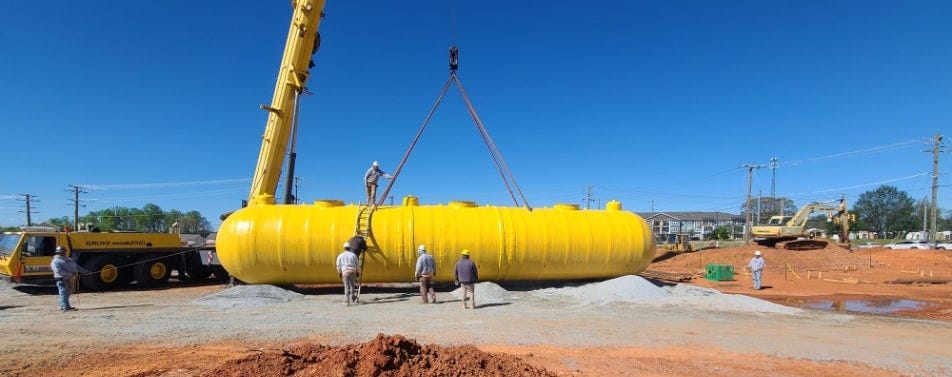
Fiberglass storage tanks are composite structures, typically consisting of:
- A resin-rich inner liner that resists chemical corrosion
- A fiberglass structural shell that provides strength and rigidity
Maintenance focuses on preserving the integrity of both these components, as damage to one can lead to the failure of the other.
Recommended FRP Tank Inspection Schedule
- Annually for standard service conditions (e.g., water or mild chemicals)
- Every 6–12 months for fiberglass tanks exposed to harsh chemicals, high humidity, or UV-heavy environments
- After seismic events, impacts, or prolonged overfilling
Key Inspection Points for Fiberglass Storage Tanks
- Interior Corrosion Liner: The corrosion liner is the first and most important defense in chemical storage tanks.
- Look for “star crazing”—radial cracks that often result from impact or pressure spikes
- Ensure the surface remains smooth, shiny, and intact
- Inspect for delamination, pinholes, or chemical blistering that may signal liner failure
If the liner appears chalky, bubbled, or softened, professional evaluation is warranted.
- Exterior Surface and Gel Coat: The gel coat protects the fiberglass from UV radiation and water absorption.
- Inspect for hairline cracks, scratches, fractures, soft spots, or discoloration.
- Look for fading, dullness, or rough texture—signs that the gel coat is wearing thin
- Any visible fibers or “dry” patches require repair before moisture intrudes
Tip: Use a flashlight held at an angle to spot micro-cracks in aging tanks.
- Structural Integrity: The overall structure of the storage tank must be assessed for any deformities, such as bulges in the tank walls, which could indicate a structural weakness. All seams, joints, and connection points should be carefully inspected for signs of deterioration. For fiberglass tanks in areas with high winds or seismic activity, the supports and anchors require more frequent checks.
- UV Protection: For outdoor aboveground fiberglass tanks, prolonged exposure to sunlight can degrade the material. A UV-resistant protective coating should be periodically applied to prevent this damage. Where possible, storing frp tanks in shaded areas provides additional protection.
Cleaning: Proper cleaning is essential to avoid damaging the tank's surface. Only non-abrasive, non-corrosive cleaning agents should be used, such as mild soap solutions, diluted vinegar, or specialized fiberglass-safe cleaners. Harsh chemicals like strong acids, bleach, or abrasive scouring powders can damage the protective gel coat and should be avoided. A soft brush or non-abrasive sponge should be used for scrubbing to prevent scratching the surface. After washing, the tank must be rinsed thoroughly with clean water to remove all cleaning residue.
Repair: The approach to repair depends on the severity of the damage.
- Minor Damage: Small, non-structural issues like discoloration can be addressed with a fiberglass-safe cleaning solution. Minor surface cracks can often be repaired by facility personnel using a commercially available fiberglass patch kit. The typical repair process involves lightly sanding the affected area to create a rough surface for adhesion, applying a mixture of resin and a fiberglass patch, and then smoothing and sealing the repair with a new layer of protective gel coat.
- Major Structural Damage: Significant issues such as large cracks, leaks at seams or fittings, or any damage that compromises the tank's structural integrity require the expertise of a professional repair service. These repairs may involve reinforcing the damaged section with additional layers of fiberglass to restore its strength.
With proper maintenance and care, fiberglass tanks are highly durable and can provide a long service life, often cited as 30 to 40 years. If considering fiberglass storage tanks for storing drinking water, check out our guide on Exploring Safe Water Storage Solutions.
Steel Storage Tanks (Carbon & Stainless)
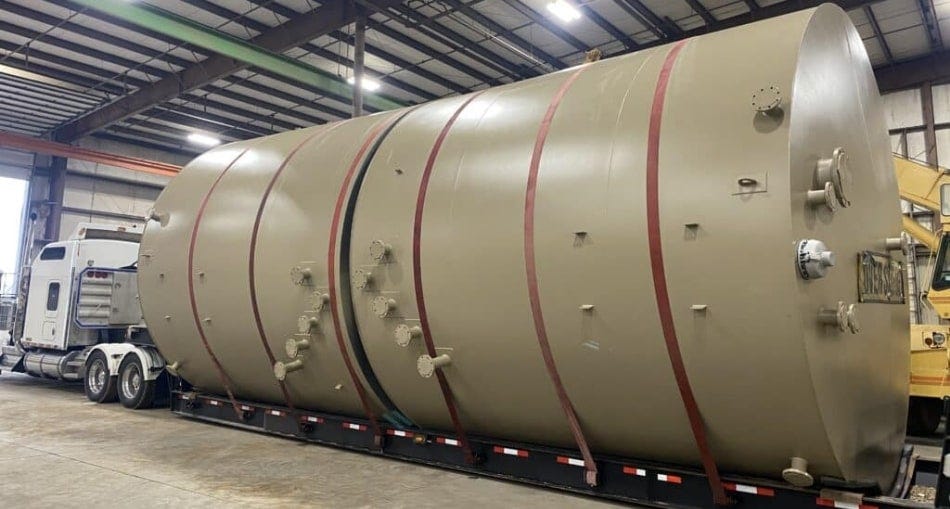
The maintenance of steel storage tanks in the United States is a highly regulated and codified practice, dominated by a focus on managing corrosion and ensuring structural integrity over a very long service life. Unlike polymers, steel is a permanent, repairable material, and the maintenance philosophy reflects this. The framework for inspection is not merely a set of best practices but a structured, multi-tiered system mandated by industry standards that are often incorporated by law.
Governing Standards
The two most important standards governing steel tank inspection in the U.S. are:
- API 653, Tank Inspection, Repair, Alteration, and Reconstruction: This is the definitive standard from the American Petroleum Institute for large, field-erected, atmospheric steel storage tanks, typically those used in petroleum and chemical industries. It provides the minimum requirements for maintaining the integrity of these tanks once they are in service.
- STI SP001, Standard for the Inspection of Aboveground Storage Tanks: This standard from the Steel Tank Institute provides a practical inspection protocol for smaller, shop-fabricated steel storage tanks (both carbon and stainless steel), as well as portable containers. It is a critical tool for owners of these common tank types to comply with the inspection requirements of the EPA's SPCC rule.
Inspection Schedule (API 653/STI SP001 Framework)
The inspection schedule is hierarchical, progressing from frequent visual checks to intensive, certified inspections.
- Monthly Routine In-Service Inspection: Performed by the owner's inspector or designated facility personnel. This is a visual walk-around of the steel tank and its containment area to check for obvious signs of trouble, such as leaks, stains on the tank shell, visible corrosion, damage, foundation issues, and the general condition of ancillary equipment. The secondary containment area should be checked for standing water and debris.
- Annual In-Service Inspection: A more detailed visual inspection, also performed by the owner's inspector. This includes a closer look at the tank's coating system for signs of paint failure (blistering, peeling), the condition of containment structures, and the functionality of vents, ladders, and cathodic protection systems (if applicable).
- Formal External Inspection: This must be conducted by a certified API 653 or STI inspector. The maximum interval between external inspections is typically five years, or the lesser of RCA/2N (remaining corrosion allowance divided by twice the corrosion rate), but may be adjusted based on the tank's condition. This inspection includes comprehensive visual examination and ultrasonic thickness measurements of the tank shell to determine the actual rate of corrosion.
- Formal Internal Inspection: This is the most comprehensive inspection and requires the steel tank to be removed from service, emptied, cleaned, and made safe for entry. It is performed by a certified inspector on a schedule determined by corrosion rate calculations, with a typical maximum interval of 10 years, though this can be extended based on a risk-based inspection (RBI) assessment. The internal inspection allows for a detailed examination of the tank floor for corrosion, pitting, and leaks, as well as inspection of internal welds and structures.
Key Inspection Points
- Corrosion: This is the primary threat to steel tanks. Inspections must meticulously check for both external corrosion, driven by atmospheric conditions, and internal corrosion, caused by the stored product or the presence of water at the tank bottom. The condition of the protective coating is a key indicator of corrosion risk.
- Structural Integrity: The tank shell, roof, and structure must be inspected for any signs of deformation, such as dents, bulges, or buckling. All seams (welded or bolted) and rivets must be checked for cracks or damage.
- Foundation and Chime: The tank's foundation is critical. It must be inspected for any signs of settling, cracking, or erosion. The area at the base of the tank, known as the chime (the horizontal joint between the shell and the floor), is a critical corrosion point and must be kept clean and free of accumulated water, soil, and debris.
- Appurtenances: All connected equipment, including ladders, platforms, vents, nozzles, gauges, and piping, must be inspected for structural integrity, secure attachment, and proper function.
- Repair: All repairs, alterations, or reconstructions must be performed in strict accordance with the governing standard (e.g., API 653). This can range from minor repairs like re-coating to major work like welding patches onto the shell or replacing entire sections of the tank floor. Any "hot work," such as welding or grinding, requires the tank to be taken out of service, isolated, and certified as gas-free to prevent fire or explosion. With a diligent program of inspection and maintenance, particularly in managing corrosion through effective coatings, linings, and cathodic protection, steel storage tanks are exceptionally durable assets with service lives that can easily exceed 50 years.
Read more on How to Thoroughly Clean Steal Storage Tanks
Aluminum Fuel Storage Tanks
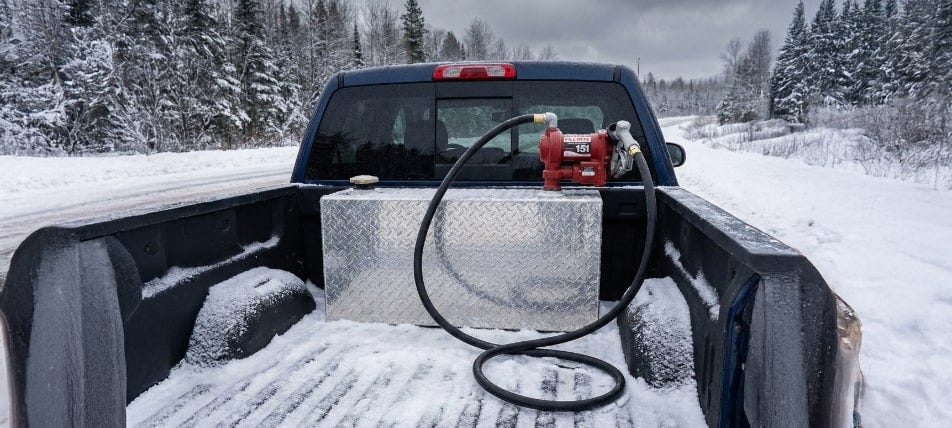
Aluminum tanks are frequently used for fuel storage, especially in marine and transportation applications where their light weight is an advantage. Maintenance focuses on preventing corrosion, which can be aggressive in specific environments, and on adhering to extremely strict safety protocols for any repair work.
Inspection Frequency
A general inspection of aluminum fuel tanks is recommended every 3 to 6 months.
Key Inspection Points
- Corrosion: While aluminum is corrosion-resistant in many conditions, it is susceptible to pitting and crevice corrosion, particularly in marine environments where saltwater and trapped moisture are present. Inspections must carefully examine the entire tank surface for cracks, abrasion, and signs of corrosion, paying special attention to weld seams, areas near mounting brackets and fittings, and any location where water can collect. A significant concern for aluminum marine tanks is corrosion that starts from the inside due to water accumulating in the fuel, often from condensation.
- Mountings and Fittings: The tank's mounting system is critical. Straps, brackets, and vibration isolators must be inspected regularly to ensure they are secure and in good condition. Improper mounting can lead to damage from vibration and movement. Cap seals and vents should also be checked to ensure they are functioning correctly.
- Leaks: A primary method of leak detection is sensory. The presence of a persistent fuel odor or visible moisture or stains around seams and connections is a clear indicator of a leak that requires immediate investigation.
Interior Cleaning
For general maintenance, the aluminum fuel tank should be completely drained. A high-alkaline cleaner, such as Simple Green, can be added and agitated for 30 to 60 minutes. The tank should then be rinsed thoroughly, neutralized with a mild bleach solution, rinsed again with clean water, and allowed to dry completely before being refilled. Crucial Safety Protocol for Hot Work: Repairing an aluminum fuel tank via welding is an extremely hazardous operation that must not be undertaken lightly. Residual fuel vapors create a severe risk of explosion. Before any hot work is attempted, the tank must undergo a rigorous cleaning and purging process. This involves not only draining and washing with detergent and hot water but also flushing the tank with running water for an extended period (e.g., 5+ minutes). After drying, the tank must be purged with an inert gas, such as argon or carbon dioxide, to displace all flammable vapors and oxygen. The purge must be maintained throughout the entire welding process.
Repair vs. Replacement
The decision to repair or replace an aluminum tank depends on the nature and extent of the damage.
- Repairable Conditions: Minor issues such as surface corrosion, small dents, worn mounting brackets, or stripped fittings can often be successfully repaired. Small pinhole leaks may be sealed with a high-quality industrial epoxy like JB Weld, but this requires meticulous surface preparation, including cleaning, degreasing, and scuffing the area with sandpaper to ensure proper adhesion.
- Replacement Indicators: Major structural damage necessitates replacement. This includes cracked weld seams, severe internal corrosion or contamination, collapsed internal baffles, or any deformation resulting from a collision or over-pressurization event. For older marine fuel tanks, the discovery of a single pinhole leak is often an indicator of widespread internal pitting. In such cases, attempting a localized repair is often false economy, as other failures are likely imminent. A full replacement is the more prudent and cost-effective long-term solution.
Read more on our complete guide to Farm Fuel Tanks.
Specialized Tank Systems and Applications
Beyond standard storage tanks, several specialized systems require unique maintenance approaches tailored to their specific function and construction.
Septic Systems
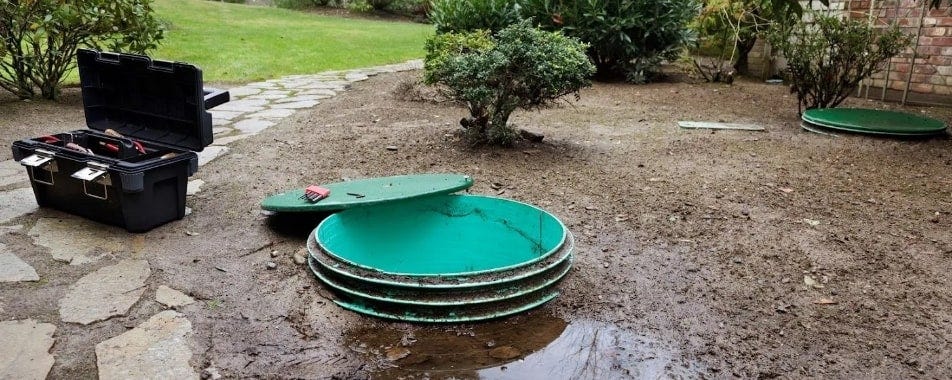
A septic tank system is a small-scale, on-site wastewater treatment system. Proper maintenance is essential to protect public health, the environment, and to avoid extremely costly repairs. The primary goal of maintenance is to protect the soil absorption field (drainfield), which is one of the most expensive components and perhaps the most difficult to repair or replace. Maintenance is a shared responsibility between the system's users and service professionals.
User Best Practices (EPA SepticSmart Program)
The daily habits of a household have a direct impact on the health of its septic system. The EPA's SepticSmart program emphasizes four key areas of user responsibility.
- Proper Waste Disposal: The toilet is not a trash can. The only things that should be flushed are human waste and toilet paper. Items that must never be flushed include cooking grease, coffee grounds, cat litter, paper towels, diapers, feminine hygiene products, condoms, dental floss, and so-called "flushable" wipes, which do not break down and can cause severe clogs.
- Mind the Drains: Do not pour cooking grease, fats, or oils down any drain, as they can solidify and clog the system. The use of garbage disposals should be eliminated or severely limited, as they significantly increase the load of solid waste entering the septic tank, requiring more frequent pumping. Harsh household chemicals, paints, solvents, and chemical drain openers can kill the beneficial bacteria in the tank that are necessary for breaking down waste.
- Efficient Water Use: A septic system is designed to handle a specific volume of water per day. Overloading the system with excess water does not allow enough time for solids to settle in the tank and can flood the drainfield. Conserving water by fixing leaky faucets and running toilets, installing efficient fixtures, and spreading out laundry loads over the week can significantly improve system performance.
- Protect the Drainfield: The drainfield area must be protected. Never drive or park vehicles on it, as this can compact the soil and crush underlying pipes. Do not build any structures, decks, or patios over the drainfield. Direct rainwater runoff from roofs and sump pumps away from the area to prevent it from becoming saturated. Trees and shrubs should be planted a safe distance away to prevent roots from growing into and damaging the drainfield lines. Here’s everything you need to know about the septic drain field.
Professional Maintenance
- Inspection and Pumping: This is the single most important preventative maintenance task. The EPA and numerous university extension services recommend that a septic tank be inspected by a professional every 1 to 3 years and pumped every 3 to 5 years. Pumping removes the accumulated layers of sludge from the bottom and scum from the top of the tank. If these solids are not removed, they will eventually build up to a point where they are washed out into the drainfield, where they will clog the soil pores and cause the system to fail. The exact pumping frequency depends on the size of the septic tank, the number of people in the household, and water usage patterns.
Regulatory Oversight
Septic systems are primarily regulated at the state and local levels, typically by the county or municipal health department or the state's department of environmental protection/quality. These agencies are responsible for issuing permits for new installations, which require a site evaluation to assess soil suitability. They also establish regulations for the proper design, construction, and maintenance of systems and may require the use of certified installers and pumpers.
Bridging Material Insight with Regulatory Foresight
By understanding the vulnerabilities and strengths inherent to each tank material, owners and operators can adopt a smarter, risk-informed maintenance strategy—one that moves from reactive problem-solving to predictive care. But even the most technically sound maintenance program cannot exist in a vacuum. Every maintenance action must align with a dense matrix of regulatory frameworks and industry standards that govern storage tank operations. That’s where we turn next. In Part III, we’ll dissect the U.S. regulatory ecosystem—federal mandates, state-specific enforcement, and the critical role of industry consensus standards—to provide you with the compliance roadmap you need to keep your program both efficient and lawful.


