


Comprehensive Guide to Storage Tank Maintenance, Inspection, and Regulatory Compliance in the United States
The effective management of liquid storage tanks—whether for water, chemicals, fuel, or waste—is a critical function for ensuring operational continuity, environmental protection, and personnel safety. The liquid storage tank market is expected to reach $18.7B USD by 2032. As the market grows and the need for sustainable storage solutions, so is the need for proper tank maintenance and best practices.
A successful storage tank maintenance program goes beyond fixing problems after they happen. It focuses on preventing issues from the start. The long-term reliability and cost of maintaining a tank are mostly set during installation. From there, it's maintained through regular inspections, proper record-keeping, and following safety and regulatory standards.
The principles outlined in Part I of our Tank Maintenance series establish a universal framework for the successful management of any storage tank, regardless of its material, size, or application. This guide is designed primarily for industrial and commercial operators, with insights for residential users at the end. Let’s dive in..
The "Installation as Destiny" Principle: Tank Siting, Foundations, and Ancillary Systems
The way a liquid storage tank is installed plays a major role in how long it lasts and how safely it operates. Proper tank installation isn’t just a checklist item—it’s the first and most important step in preventive maintenance. Mistakes made during setup can cause hidden problems that lead to leaks, damage, or even complete tank failure down the line.
That’s why the manufacturer’s installation manual is so important. It’s not just a guide—it’s a required standard to make sure the tank performs as expected and meets safety and compliance standards throughout its service life.
Foundations and Siting: The physical placement and support of a tank are paramount. For all tank types, the foundation must be stable, level, and designed to support the full weight of the tank and its contents.

Steel Storage Tanks
For steel storage tanks, the condition of the foundation is a key part of every inspection. Each year, check for any signs of erosion or uneven settling under the tank. Look closely for gaps or voids between the tank bottom and the foundation. If the foundation shifts, it can put uneven pressure on the tank shell—known as eccentric loading—which can lead to structural damage or failure over time.
Fiberglass (FRP) Storage Tanks
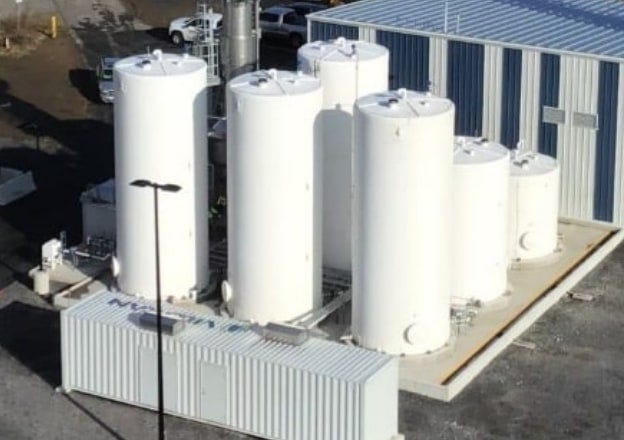
Fiberglass tanks need careful handling from the moment they arrive. Before unloading, inspect them for shipping damage like scratches, cracks, or surface marks. Always use the tank's lifting lugs or wide (at least 3-inch) fabric slings when moving them. Never lift a fiberglass tank by its nozzles or fittings, and never slide or roll it. Placing it on sharp or uneven surfaces—like tools or rocks—can cause hidden damage to the inner corrosion-resistant liner. Even small flaws can turn into serious problems later.
Piping, Venting & Containment: Key Factors in Storage Tank Longevity
Piping and Connections: How a storage tank is connected to its associated piping is a major factor in its longevity, particularly for materials that exhibit thermal expansion and contraction.
- Steel Tanks: Steel tanks also require careful attention at piping connection points. During routine inspections, look for any bulging or distortion where the nozzles attach to the tank wall. This can be a sign of uneven settling between the foundation and the piping supports. If there’s visible stress, it’s critical to adjust pipe supports to prevent long-term damage to the tank shell.
- Fiberglass (FRP) Tanks: Always use manufacturer-approved fittings designed for fiberglass tanks, since improper hardware can cause stress cracks in the corrosion-resistant liner. Avoid lifting or supporting piping loads from the nozzles, as this can distort the tank wall and lead to premature failure. Instead, ensure external pipe supports are correctly aligned to protect both the tank shell and fittings.
Safe and Effective Venting Practices
Venting: Proper venting is a non-negotiable requirement for atmospheric storage tanks. Without it, tanks can experience dangerous internal pressure or vacuum conditions—leading to collapse, rupture, or other failures.
- Steel Tanks: Vents must be checked yearly to ensure they’re free from obstructions like dirt, insects, or rust. In cold environments, icing is a known problem—inspect vents and pressure-relief devices more often in freezing weather.
- Fiberglass Tanks: FRP tanks should always vent directly to open air. Never connect vent lines from multiple tanks together—doing so creates pressure imbalances that can damage the tanks.
Secondary Containment: Your Last Line of Defense
For many regulated liquids, secondary containment isn’t just good practice—it’s legally required. Whether you’re using a double-wall tank, a concrete dike, or a containment tray or basin, regular checks are essential.
Inspect the containment area for:
- Cracks, corrosion, or signs of wear
- Standing water or debris
- Evidence of chemical leaks
If water is found inside the containment zone, test it for contamination before releasing it—and remove it immediately to prevent overflow or compliance violations.
How to Inspect Storage Tanks: Visual Checks & Testing Methods
A proper tank inspection program is key to keeping your system safe, reliable, and compliant. Whether you're maintaining a polyethylene tank, a fiberglass tank, or a steel storage tank, inspections help you spot problems early—before they lead to leaks, corrosion, or costly failures.
Step 1: Visual Inspection (VI)
Visual inspections are the most common and cost-effective way to check the condition of your tank. But for them to work, they must be done thoroughly—not just a quick glance.
- When to Inspect: Monthly and annually (at minimum)
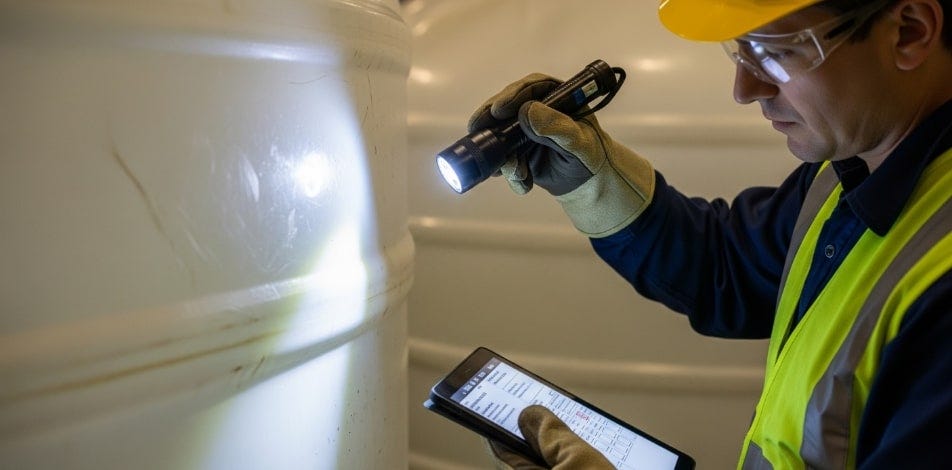
- What You’ll Need: A strong white light, inspection checklist, camera, safety gear
- What to Look For:
- Cracks, bulges, or discoloration
- Surface damage near fittings, nozzles, manways
- Seams or welds that look worn or corroded
- "Knuckle" areas where the floor meets the sidewall
For plastic tanks like polyethylene or XLPE tanks, light can help reveal fine stress lines or early signs of material fatigue—especially on translucent models sold at Tank-Depot.
Step 2: Non-Destructive Testing (NDT)
When you need to look beyond the surface—especially for fiberglass or steel tanks—non-destructive testing methods are ideal. They give you internal insights without damaging the storage tank.
- Ultrasonic Thickness (UT) Testing: UT testing uses sound waves to measure wall thickness. It helps detect corrosion in steel or wall thinning in fiberglass, even before signs show on the outside.
- Polyethylene Testing Techniques:
- Water-Soluble Marker Test: A quick field test to spot micro-cracks (aka "crazing"). Simply mark, wipe, and check for ink-absorbing crack lines.
- Impact & Gel Testing: These lab tests are best for XLPE (cross-linked polyethylene) tanks. They measure brittleness and polymer strength to predict end-of-life.
These methods are especially useful for larger chemical storage tanks or above-ground tanks exposed to weather and environmental stress.
Step 3: Inspection Schedules & Personnel
Smart tank maintenance programs use a two-tiered inspection plan:
- Operator-Level Inspections: These regular checks (done monthly or annually) are performed by trained in-house staff using inspection checklists. They cover everything from the tank’s body and fittings to its base and secondary containment.
- Certified Inspections: Every 5–10 years, bring in a certified professional. They’ll perform deeper evaluations using tools like UT testing, and inspect to standards like API 653 (for large steel tanks) or STI SP001 (for smaller shop-built steel tanks). These inspections often determine whether a tank is safe to continue using—or if it needs repairs or replacement.
Safety First: Non-Negotiable Rules for Storage Tank Maintenance
Worker safety is the single most important priority in industrial storage tank maintenance. Whether your facility operates steel fuel tanks, fiberglass chemical tanks, or large industrial polyethylene containers, every inspection and repair procedure must follow OSHA’s strict safety regulations. These standards exist to protect employees from the serious hazards of confined space entry, toxic exposures, and other risks that are common in industrial tank operations.
Confined Space Entry: Know the Rules
Storage tanks used in industrial and commercial facilities are classified as confined spaces under OSHA 29 CFR 1910.146. This means that before any worker enters a tank, a formal permit and safety plan must be in place. Entering without proper training, supervision, and documentation is not only illegal but exposes employees to life-threatening hazards such as toxic vapors, flammable gases, or oxygen-deficient atmospheres.
As part of compliance, the tank atmosphere must be tested in the following order:
- Oxygen levels
- Flammable gases or vapors
- Toxic air contaminants
Even after entry is approved, continuous air monitoring is required to protect workers and maintain compliance.
A compliant entry setup must include:
- An authorized entrant
- A trained attendant outside the tank
- A permit supervisor
- A rescue plan and proper equipment ready before entry begins
Reduce Risk with Non-Intrusive Inspections
Given how dangerous (and costly) confined space entry can be, many operators now use non-intrusive inspection (NII) technologies. These include:
- Robotic crawlers for scanning the interior floors of steel tanks
- Remotely operated vehicles (ROVs) for inspecting water storage tanks or hard-to-reach areas
- Diver-free visual inspections for large potable water systems
These tools collect critical condition data without putting people at risk, and they align with modern safety-first inspection strategies.
Lockout/Tagout (LOTO) Procedures
Before anyone touches a storage tank system for repairs or maintenance, all energy sources must be secured:
- Shut off pumps, mixers, and piping systems
- Use lockout/tagout devices to ensure equipment can’t be accidentally activated
- Follow OSHA's LOTO guidelines step-by-step
This step is essential when working on powered components of chemical tanks, fuel tanks, or agitation systems.
Fall Protection: Don’t Take Chances Up Top
Working around the top of tanks—especially large vertical models like vertical plastic water tanks—creates serious fall hazards.
- OSHA requires anyone working at height to wear a personal fall arrest system (PFAS)
- Never walk or stand on the domed roof of a poly tank unless proper measures are put in place.
- If work must be done at height, install proper access platforms, railings, or fall protection anchors as required.
Why Documentation Matters in Storage Tank Maintenance
If it’s not written down, it didn’t happen.
That’s the golden rule when it comes to storage tank maintenance. Whether you’re maintaining a fuel and oil tank, a polyethylene water tank, or a steel chemical tank, keeping clear and accurate records isn’t just a best practice—it’s a legal requirement.
Regulatory Compliance: What You Need to Record
Federal rules like the EPA’s Spill Prevention, Control, and Countermeasure (SPCC) plan require storage tank owners to keep inspection and maintenance records for at least three years. If the inspection was done by a certified professional, those documents should be saved for as long as the tank is in service.
Failing to keep these records can result in major legal and financial risks, especially in the event of a spill or system failure.
What to Include in Your Tank Log
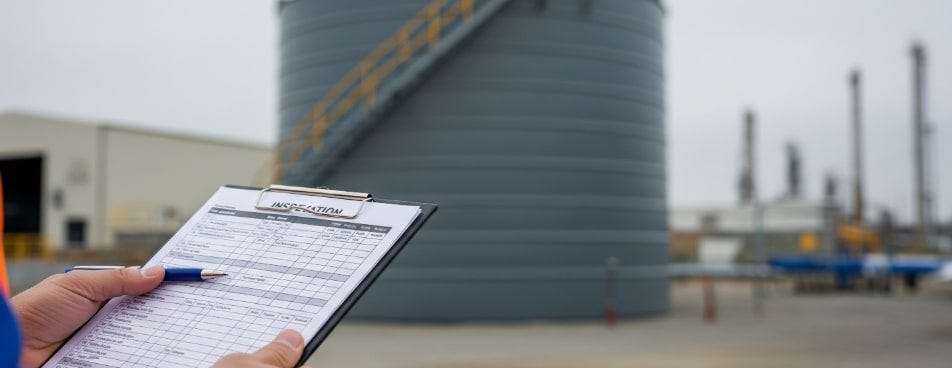
Each liquid storage tank should have its own dedicated logbook—digital or paper—and it should track the following:
- Inspection dates (monthly, annual, etc.)
- Inspector’s name and certification (if applicable)
- Notes on wear, damage, or changes in condition
- Photos or measurements taken during inspection
- Maintenance work completed (e.g., repairs, part replacements)
- Dates of cleaning, draining, or pumping events
These logs help you spot trends—like corrosion rates or settling issues—before they become serious problems. They also support smarter, data-driven decisions about repairs or replacements.
Use Standardized Checklists
To make inspections consistent and complete, use official inspection checklists:
- Steel Tank Institute SP001 checklist for shop-built steel tanks
- SPCC inspection forms for regulatory compliance
- Customized logs for poly tanks, fiberglass tanks, or XLPE units (especially if storing chemicals)
Completed checklists should be kept as part of each tank’s permanent record.
Protect Yourself with Paperwork
If a spill or release ever occurs, your documentation becomes your first line of legal defense. It proves you followed safety guidelines, performed regular checks, and acted responsibly as a facility owner or operator.
Keeping organized records shows due diligence and can significantly reduce exposure to fines, lawsuits, or environmental penalties.
Residential & Light Commercial Storage Tank Maintenance Tips
While this guide prioritizes industrial tank management, the same principles apply to farms, small businesses, and homeowners using poly or fiberglass tanks.
Polyethylene Storage Tanks
- Foundation: Aboveground Polyethylene Storage Tanks: These tanks require a smooth, clean, and perfectly level pad, free of any sharp objects like screws, bolts, or rocks. Even a small, overlooked piece of debris can create a stress concentration point on the tank floor, leading to damage and potential failure over time.
- Piping: Polyethylene tanks flex as temperatures shift and water levels rise or fall. That’s why using flexible connections—especially near the lower sidewall—isn’t optional; it’s required. Rigid piping doesn’t move with the tank and can pull on the fittings, creating stress points that often lead to leaks or even catastrophic failure. Flexible connectors help absorb pump vibrations and allow for expansion and contraction, which keeps the storage tank’s structure sound over time.
- Venting: When these tanks are filled by air pressure or high-speed pumps, the venting system must be sized to match the fill rate. Undersized vents trap pressure, which can make the tank swell or “balloon” until it fails.
Fiberglass Tanks (Light Commercial Use)
- Handle carefully to prevent hidden liner cracks.
- Avoid rolling or dragging tanks during setup.
Visual Checks for Smaller Installations
- Look for stress lines, bulges, and discoloration.
- Keep logs, even for residential systems, to extend service life.
Building the Foundation for Long-Term Storage Tank Performance
A tank’s reliability doesn’t come down to age—it comes down to how it’s installed, inspected, and maintained over time. As we’ve covered in this guide, key practices like proper storage tank siting, using flexible pipe connections, scheduling routine inspections, and maintaining detailed documentation are the cornerstones of a strong storage tank management program.
But this is just the start.
In Part II, we’ll explore one of the most important factors in determining a storage tank’s true service life: the material it’s made from. Whether you're working with polyethylene, fiberglass (FRP), or steel, each material has unique strengths—and specific maintenance strategies to match. Knowing the difference can help you prevent failures and extend the lifespan of your tank investment. Not sure which inspection method is best for your chemical tank, or how to meet your SPCC compliance requirements?


