


A Better Alternative to Concrete Underground Water Storage Tanks: Why Polyethylene Wins on Durability, Cost, and Sustainability
Underground water storage has long leaned on heavy concrete tanks, but polyethylene tanks are fast becoming the go-to for modern water management. Their lightweight build cuts the transport and installation burden that comes with bulky concrete cisterns. Polyethylene tanks resist the cracking and leaks that shifting soils cause in concrete, and they need little long-term maintenance. This guide lays out the practical advantages of polyethylene underground tanks over concrete, covering installation efficiency, cost, durability, and environmental impact, so you can see where poly delivers better performance and value.
What Are Polyethylene Water Tanks and How Do They Compare to Concrete Tanks?
Polyethylene water tanks are engineered from high-density polyethylene (HDPE) specifically for reliable underground use. Unlike heavy concrete tanks that are prone to cracking and complicated installation, polyethylene tanks are lightweight and corrosion-resistant, easing transport and siting on challenging terrain. Installation is faster and requires fewer personnel. These tanks are fully watertight, eliminating leak risks and contamination issues often linked with aging concrete reservoirs. Explore our complete selection of NSF-61 certified underground water storage tanks engineered for subterranean burial.
What Material Properties Make Polyethylene Ideal for Underground Water Storage?
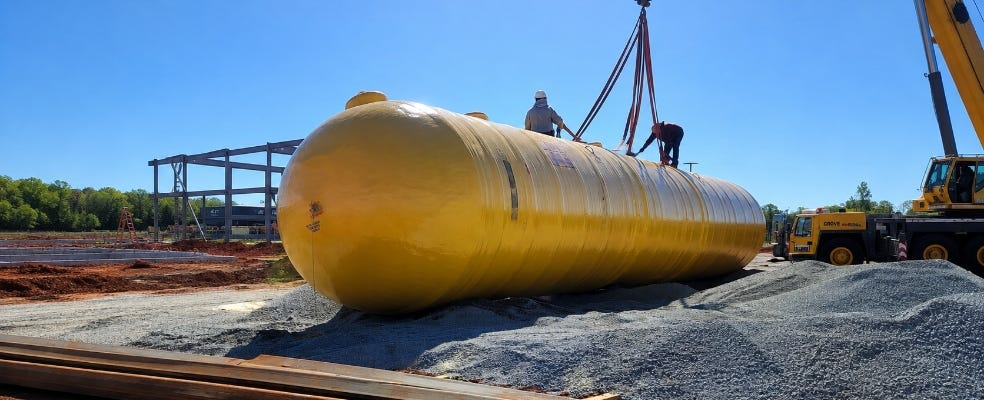
Polyethylene's combination of durability, flexibility, and chemical resistance makes it ideal for underground applications. Its resistance to corrosion and root infiltration ensures integrity despite years of burial beneath soil. The lightweight structure simplifies installation and transport, while the seamless, watertight design prevents contamination. Where you need a rigid shell for large-volume or high-temperature underground service, fiberglass is the other proven alternative to concrete.
For broader context, compare polyethylene models against steel and fiberglass options across our full catalog of water storage tanks.
How Do Polyethylene Tanks Outperform Concrete in Durability and Maintenance?
Concrete tanks are brittle and vulnerable to cracking under soil movement or freeze-thaw cycles, leading to costly repairs and potential water loss. In contrast, polyethylene tanks flex resiliently with ground shifts, preventing leaks from soil contraction or expansion.
Maintenance requirements are minimal, typically only involving periodic visual inspections to ensure fittings, sealed with heavy-duty bulkhead fittings, remain secure. Concrete tanks often require extensive upkeep and frequent patching, burdening owners with higher lifetime costs.
Comparing Traditional Buried Concrete Cisterns to Modern Water Storage Solutions
Traditional underground concrete cisterns have been the stalwart in water storage for decades, known for their structural strength and longevity. However, their installation demands substantial heavy excavation and site preparation, which significantly increases upfront project costs and environmental disturbance. The weight and rigidity of concrete make these tanks susceptible to cracking from freeze-thaw cycles and soil shifting, which can compromise water integrity and incur expensive repairs. Furthermore, deploying concrete cisterns underground involves complex logistics such as cranes and multiple heavy trucks to manage their transportation and positioning, further driving up costs and project timelines.
In contrast, modern polyethylene underground tanks offer a transformative approach with their lightweight and flexible construction reducing heavy machinery needs and facilitating quicker installation.
Additionally, aboveground options such as Tank Depot's Omni Series Deploy Concrete Water Tanks present an innovative solution that combines the benefits of concrete's strength and thermal inertia with deployment ease, sidestepping the massive excavation and crane logistics required for traditional underground concrete tanks. This hybrid approach enables users to access concrete's advantages without the drawbacks of subterranean installation complexities.
Tank Depot’s Omni Series Deploy Concrete Water Tanks: Combining Strength with Convenience
For consumers seeking the inherent durability, fire-resistant qualities, and thermal mass benefits of concrete storage but wishing to avoid extensive underground excavation, Tank Depot's Omni Series Deploy Concrete Water Tanks represent a game-changing option.
These tanks are designed for aboveground placement and feature a deployable design that eliminates the need for massive underground pits and expensive crane operations. Their modular nature improves site adaptability and reduces overall installation costs and environmental impact. Equipped to withstand harsh environmental conditions, the Omni Series tanks provide the peace of mind of concrete construction while allowing more flexible and economical deployment on a variety of terrains.
InstaSlab Roll-Out Concrete Foundations: Simplifying Tank Installation Foundations
Supporting both polyethylene underground tanks and the Omni Series Deploy Concrete Tanks, Tank Depot offers the InstaSlab Roll-Out Concrete Foundation Slabs. These pre-engineered, roll-out concrete pads eliminate the necessity for on-site concrete mixer trucks, long curing periods, and intensive ground preparation typically associated with conventional slab foundations.
InstaSlab slabs provide a level, durable base that simplifies and accelerates installation processes, significantly reducing downtime and labor costs. This foundation innovation complements the lightweight and deployable tank options available at Tank Depot, delivering a full-site solution that addresses many traditional installation challenges associated with concrete water tanks.
How Does the Installation of Polyethylene Underground Water Tanks Save Time and Costs?
Installing polyethylene underground water tanks reduces labor and equipment needs dramatically. Their agility and reduced weight mean smaller crews and less heavy machinery are sufficient. Excavation and backfilling proceed more rapidly, lowering overall site time and expenses. In comparison, concrete tank installation demands cranes, large trucks, and extended excavation work. For subterranean rainwater capture systems, choose dedicated rainwater collection cisterns, designed with polyethylene advantages in mind.
What Are Best Practices for Installing Polyethylene Tanks Underground?
Proper installation is vital for long-term success with polyethylene tanks. Follow these recommended steps:
- Site Preparation: Thoroughly clear, level, and stabilize the area to prevent settling and shifting.
- Tank Fitting Connections: Use reliable plumbing connections, including heavy-duty bulkhead fittings, to maintain water tightness.
- Excavation Best Practices: Excavate to appropriate depth and diameter to comfortably house the tank while allowing backfill material to evenly distribute soil pressure, as detailed in our guide to underground water tanks.
Strict adherence to these practices maximizes efficiency and safeguards tank longevity.
How Does Installation Cost Differ Between Polyethylene and Concrete Tanks?
The total cost of installing polyethylene tanks is generally 20% to 40% lower than concrete alternatives. Their lower weight reduces freight and heavy equipment expenses. Quicker installation times also decrease labor charges. Concrete tanks involve complex logistics including large cranes and specialized crews, substantially driving up costs. Additionally, polyethylene tanks minimize risks of costly post-installation repairs due to soil-induced cracking common in concrete structures.
What Environmental Benefits Do Polyethylene Tanks Offer Compared to Concrete Alternatives?
Polyethylene tanks offer environmentally responsible benefits including efficient manufacturing processes that consume less energy and use recyclable materials. Their durability reduces the need for frequent replacements, decreasing waste and resource use over decades. Installing polyethylene tanks supports sustainable water management, particularly when deployed as part of effective rainwater harvesting systems. For example, rainwater cisterns block sunlight to inhibit algae growth, maintaining high water quality with reduced treatment.
How Does Using Polyethylene Reduce Carbon Footprint and Support Sustainability?
Compared to energy-intensive concrete production, polyethylene manufacturing requires less energy input and generates fewer greenhouse gas emissions. Many polyethylene tanks incorporate recycled resins, enhancing circular economy contributions. Their prolonged service life also mitigates embodied carbon by reducing replacement frequency. The tanks' lightweight nature lowers transport emissions during delivery and installation.
What Recent Advances Enhance the Environmental Performance of Polyethylene Tanks?
Recent innovations enhance polyethylene's durability and environmental credentials. UV stabilizers and specialized additives now extend tank life by protecting surfaces from sunlight degradation, even above ground in some installations. Manufacturers continuously improve resin formulations to increase recyclability and resistance against environmental stressors. These advances make polyethylene tanks a forward-thinking solution aligned with evolving sustainability standards.
How Long Do Polyethylene Underground Water Tanks Last and What Maintenance Is Required?
High-quality polyethylene underground tanks typically last 20 to 30 years, and often reach the upper end or beyond when buried, since burial removes the UV exposure that shortens the life of aboveground tanks. Routine upkeep primarily involves visual inspections to detect damage early. Unlike concrete tanks susceptible to severe cracking and rebar corrosion, polyethylene tanks maintain structural integrity with minimal repairs over decades, lowering lifecycle costs.
What Maintenance Practices Ensure Optimal Performance Over Time?
Recommended maintenance includes:
- Routine Checks: Regularly inspect tanks and plumbing fittings for any signs of leaks or degradation.
- Repair Techniques: Address minor sealing or connection issues promptly using recommended repair kits. Small cracks in poly can usually be closed with heat welding and sealant rather than replacement.
- Inspection Timelines: Schedule semi-annual or annual assessments to uphold system reliability.
Consistency in these practices safeguards water quality and tank functionality for the long term.
What Are the Cost Benefits of Choosing Polyethylene Over Concrete for Underground Water Storage?
Choosing polyethylene over concrete offers clear economic advantages including lower initial transport and installation expenses, reduced maintenance costs, and fewer failure-related repairs. Users typically recover initial investments within a few years through cumulative savings. The ease of installation also shortens project timelines and labor requirements, offering additional financial benefits.
How Do Installation and Maintenance Costs Compare Between Polyethylene and Concrete Tanks?
Polyethylene tanks consistently demand less labor and equipment during installation, lowering upfront costs versus concrete. Maintenance budgets also favor polyethylene due to its resilience and minimal repair needs. Concrete's propensity for cracking and extensive upkeep drives higher cumulative expenses throughout service life.
What Case Studies Demonstrate Financial Advantages of Polyethylene Tanks?
On many water projects, poly's lighter weight and simpler installation cut installed costs meaningfully versus concrete, with the exact savings depending on tank size, site conditions, and local labor rates. Long-term maintenance savings further enhance financial performance, freeing budgets for other infrastructure priorities. These case studies underscore polyethylene's value proposition in public and private water storage applications.
What Regulations and Standards Affect Polyethylene Underground Water Tank Installation?
Compliance with regional and local regulations is essential when installing polyethylene underground tanks. Plan for permitting, backfill standards, and system testing, and confirm the specifics with your local building and health authorities. Note that the EPA's federal underground storage tank (UST) rules cover petroleum and hazardous substances, not water, so potable water cisterns are governed mainly by state and local building and plumbing codes, plus NSF/ANSI 61 for drinking-water contact. See our guide to storage tank compliance in the US for how these rules break down.FIX In areas with a high water table, assess local groundwater conditions and anchor the tank per the manufacturer's instructions to guard against buoyancy (flotation).
Which Local and Regional Compliance Requirements Should Be Considered?
Key compliance areas include:
- Permitting Processes: Secure necessary local or state permits before excavation.
- Environmental Considerations: Conduct impact assessments to protect sensitive ecosystems.
- Specific Standards: Follow material, installation, and inspection protocols per regional rules.
Consistent adherence ensures safe installations that meet all statutory obligations.
How Are Industry Standards Evolving for Polyethylene Water Storage Solutions?
Industry standards continue evolving toward enhanced sustainability, durability, and safety for polyethylene tanks. New performance benchmarks emphasize UV resistance, contamination prevention, and recyclability. Staying current with these developments allows consumers and professionals to implement state-of-the-art water storage systems that align with environmental goals and longevity expectations.
Need Help Selecting the Right Water Storage Solution?
Unsure whether a polyethylene underground tank, a traditional concrete cistern, or one of our innovative aboveground solutions fits your site conditions and water needs? Contact our storage tank specialists today for expert assistance on tank selection, soil buoyancy factors, installation guidance, and foundation options.


